
Full Text · HTML
9,035 words · about 41 min read · open access under CC BY 4.0
Contents
Abstract
Natural soaps have regained considerable attention in recent years owing to increasing consumer demand for sustainable, environmentally friendly and skin-compatible personal care products. Derived primarily from the saponification of fats and oils, natural soaps represent one of the oldest cleansing systems and continue to evolve through advances in formulation science and green manufacturing technologies. This review provides a comprehensive overview of the evolution, chemistry, formulation strategies, dermatological significance and future prospects of natural soaps. The chemical classification of soaps, types of soap formulations, fatty acid profiles and the role of key ingredients influencing cleansing efficiency, lather formation, hardness, moisturizing properties and skin compatibility are discussed. Various manufacturing approaches, including cold process, hot process, melt-and-pour, and industrial production methods, are critically evaluated with respect to product quality and performance. Particular emphasis is placed on stability parameters such as pH, oxidation resistance, lather stability, and hardness retention, as well as packaging considerations and sustainable material handling practices. The review further compares natural soaps with commercial synthetic cleansing products in terms of composition, functionality, environmental impact and consumer acceptance. Recent innovations involving sustainable feed stocks, up cycled raw materials, biosurfactants, green extraction technologies, encapsulation systems, machine-learning-assisted formulation design and microbiome-friendly cleansing systems are explored. Furthermore, future directions in bio-based surfactant development, personalized skincare, circular manufacturing and environmentally responsible packaging are examined. Overall, natural soaps represent a promising intersection of traditional saponification chemistry and modern technological innovation, offering opportunities for the development of safe, effective, sustainable and dermatologically compatible cleansing products. Continued research focusing on formulation optimization, clinical validation, stability assessment, and lifecycle sustainability will be essential for advancing the next generation of natural soap technologies.
Introduction
Natural soap is one of the oldest cleansing products known to humanity, with a history dating back more than 4,000 years. Evidence from ancient civilizations such as the Babylonians, Egyptians and Romans suggests that early soap-like materials were produced by combining animal fats or plant oils with alkaline ash. These early formulations were primarily used for cleaning textiles, treating wounds and other practical applications rather than for personal hygiene. Nevertheless, they laid the foundation for the development of modern soap and surfactant technologies.
From a chemical perspective, natural soap is a salt formed from long-chain fatty acids. It is produced through a process known as saponification, in which triglycerides present in fats and oils react with an alkali, typically sodium hydroxide (NaOH) or potassium hydroxide (KOH). Sodium hydroxide is generally used to prepare solid soap bars, whereas potassium hydroxide is preferred for liquid soap formulation s. During this reaction, triglycerides are broken down into glycerol and fatty acid salts, which constitute the soap itself.
Cleansing Mechanism of Soap The effectiveness of soap as a cleansing agent arises from its amphiphilic structure. Each soap molecu le contains two distinct regions:
- A hydrophilic (water-attracting) carboxylate head.
- A hydrophobic (oil-attracting) hydrocarbon tail.
This dual nature enables soap molecules to interact with both water and oil. When soap is mixed with water, the molecules arrange themselves into structures known as micelles. In these structures, the hydrophobic tails surround oil, grease and dirt particles, while the hydrophilic heads remain in contact with water. As a result, oily substances become suspended in water and can be washed away during rinsing.
Natural Soap and Synthetic Cleansers Modern cleansing products can be broadly classified into traditional soaps and synthetic detergent -based formulations. Many commercial cleansing bars and body washes contain synthetic surfactants such as sodium lauryl sulfate (SLS) and sodium laureth sulfate (SLES), along with preservatives, fragrances and other additives. These ingredients provide excellent foaming and cleansing properties but may remove natural lipids from the skin, potentially causing dryness and irritation in sensitive individuals. In contrast, natural soaps retain glycerin produced during saponification. Glycerin functions as a humectant, attracting water to the skin and helping maintain hydration. Moreover, natural soaps are commonly manufactured using plant-derived oils such as olive, coconut, castor, palm and shea oils, making them biodegradable and environmentally friendly. These characteristics have contributed to the growing popularity of natural soaps among consumers seeking sustainable and skin-friendly personal care products.
Scope of the Review
This review provides a comprehensive overview of natural soap, covering its chemical classification, fatty acid composition, ingredients, preparation methods, packaging requirements, stability considerations, recent technological developments and future directions. Special attention is also given to emerging innovations such as machine-learning-assisted formulation, bio-based surfactants and the use of sustainable raw materials in soap production. [1],[3]-[6]
2. Chemical Classification of Soaps
Soap is chemically defined as a salt of a long-chain fatty acid. In its simplest form, a soap molecule consists of a hydrophobic hydrocarbon chain attached to a hydrophilic carboxylate group, generally represented by the formula R–COO⁻ M⁺, where R denotes the fatty acid chain and M⁺ represents a metal ion such as sodium or potassium. This unique structure is responsible for the cleansing properties of soap, allowing it to interact with both water and oily substances.
The characteristics of a soap product depend largely on the type of metal ion used during manufacture and the source of the fatty acids. Based on these factors, soaps can be classified into several categories.
2.1 Classification Based on Alkali Metal Ion
- Sodium Soaps (Hard Soaps) Sodium soaps are produced by reacting fats or oils with sodium hydroxide (NaOH). These soaps form a compact crystalline structure, resulting in hard and durable bars that dissolve relatively slowly in water. Their firmness and long-lasting nature make them the most common type of soap used for bathing and household cleaning.
• Potassium Soaps (Soft and Liquid Soaps)
Potassium soaps are manufactured using potassium hydroxide (KOH). Because potassium salts are more soluble in water than sodium salts, these soaps tend to be softer and are commonly formulated as liquid soaps, gels, or semi-solid cleansing products. They produce a rich lather and disperse readily in water.
2.2 Classification Based on Raw Material Source
- Animal Fat-Based Soaps Traditional soaps were often produced from animal fats such as beef tallow and pork lard. These materials contain significant amounts of saturated fatty acids, particularly palmitic and stearic acids, which contribute to bar hardness and durability. Soaps prepared from animal fats generally produce a dense and creamy lather and exhibit good longevity during use.
• Vegetable Oil-Based Soaps
In recent decades, plant-derived oils have become increasingly popular in soap manufacturing. Common sources include olive oil, coconut oil, palm oil, castor oil and shea butter. These oils provide a wide range of functional properties, allowing formulators to create products that vary from highly cleansing to intensely moisturizing. In addition, plant-based soaps are often preferred by consumers seeking vegan, environmentally conscious and naturally sourced personal care products.
• Blended or Hybrid Soaps
Many modern soap formulations combine multiple fats and oils to achieve an optimal balance of cleansing effectiveness, lather quality, conditioning properties and bar hardness. For example, a formulation may incorporate coconut oil to enhance foam production while using olive oil or shea butter to improve skin conditioning. Such blended formulations allow manufacturers to tailor soap properties to specific consumer needs and applications.
• Significance of Chemical Classification
Understanding the chemical classification of soaps is important because the composition of soap directly influences its performance, stability and suitability for different applications. Factors such as hardness, solubility, lather quality, cleansing strength and skin compatibility are all closely related to the type of fatty acids and metal ions present in the final product. Consequently, selection of appropriate raw materials remains one of the most critical steps in soap formulation and manufacturing. [1],[5],[6]
3. Types of Soaps (Chemical and Material Classification)
In addition to being classified according to their chemical composition, soaps can also be categorized based on their intended use, raw materials, manufacturing processes and physical form. Different types of soaps are formulated to meet specific consumer needs, ranging from personal hygiene and skincare to household cleaning and therapeutic applications.
3.1 Toilet and Bath Soaps
Toilet and bath soaps are the most commonly used soap products and are specifically designed for cleansing the skin. These soaps are formulated to provide effective cleaning while minimizing irritation and excessive dryness.
They are typically prepared using vegetable oils such as olive, coconut and palm oil, or high-quality animal fats. Many formulations also include superfatting agents, such as shea butter or excess oils, to improve skin moisturization and help maintain the skin's natural barrier. As a result, these soaps generally produce a creamy lather and provide a pleasant cleansing experience suitable for daily use.
3.2 Transparent (Glycerin) Soaps
Transparent soaps, often referred to as glycerin soaps, are valued for both their appearance and moisturizing properties. Unlike conventional opaque soaps, these products possess a clear or translucent appearance. Their transparency is achieved by adding ingredients such as glycerin, sugar solutions, or alcohol during manufacturing. These additives modify the soap's crystal structure and prevent the formation of large crystals that cause opacity. Because transparent soaps contain relatively high levels of glycerin, they have excellent humectant properties and help attract moisture to the skin. However, their increased solubility means they may dissolve more quickly when exposed to water for prolonged periods.
3.3 Castile Soaps
Castile soap is one of the oldest and most recognized types of natural soap. Originating in the Castile region of Spain, it was traditionally produced using olive oil as the sole source of fat. Pure Castile soap is known for its mild and gentle cleansing action, making it suitable for sensitive skin. Compared with soaps rich in coconut oil, it produces a softer and creamier lather rather than large bubbles. Due to the high concentration of olive oil, Castile soap generally requires a longer curing period to achieve adequate hardness and performance.
3.4 Floating Soaps
Floating soaps are specially designed to remain on the surface of water rather than sink. This characteristic improves convenience during bathing by making the soap easier to locate and handle.
The floating ability is achieved by incorporating air into the soap mixture during manufacturing. The trapped air reduces the overall density of the soap bar, allowing it to remain buoyant in water. Apart from this unique physical property, floating soaps function similarly to conventional bathing soaps.
3.5 Medicated and Specialized Soaps
Medicated soaps are formulated to provide cleansing while delivering therapeutic benefits for specific skin conditions. These products contain active ingredients chosen according to their intended use. Common additives include sulfur, salicylic acid, tea tree oil, colloidal oat meal and various antimicrobial agents. Depending on the formulation, medicated soaps may be used to manage acne, fungal infections, eczema, or other dermatological concerns. The challenge in developing these products is maintaining a balance between cleansing efficiency and skin tolerability.
3.6 Laundry and Household Soaps
Laundry and household soaps are designed primarily for cleaning fabrics, utensils and household surfaces rather than for personal care applications. These soaps are usually manufactured using formulations rich in saturated fats or highly cleansing oils, particularly coconut oil and tallow. Unlike bath soaps, they generally contain little or no super fatting agents because maximum grease removal is desired. As a result, household soaps tend to have higher alkalinity and stronger cleansing action, making them effective for removing dirt, oils and stains from a variety of surfaces.
Significance of Soap Types
The diversity of soap types reflects the wide range of applications for soap in daily life. While toilet and glycerin soaps focus on skin care and personal hygiene, laundry and household soaps prioritize cleaning efficiency. Similarly, specialized products such as Castile, floating and medicated soaps serve particular consumer preferences or functional requirements. Understanding these categories helps formulator’s select appropriate ingredients and manufacturing methods to achieve the desired product performance. [1]-[5]
4. Composition of Different Soaps and Fatty Acid Profiles
The properties of a soap bar are largely determined by the fatty acids present in the oils and fats used during formulation. Characteristics such as hardness, lather quality, cleansing efficiency, moisturizing ability and shelf stability are directly influenced by the type and proportion of fatty acids released during the saponification process. Understanding fatty acid composition is therefore essential for developing soaps with desired performance attributes. Triglycerides, the primary components of fats and oils, consist of glycerol molecules attached to three fatty acid chains. During saponification, these fatty acids are converted into soap molecules and each fatty acid contributes unique characteristics to the final product.
4.1 Major Fatty Acids Used in Soap Formulation
- Lauric Acid (C₁₂H₂₄O₂) Lauric acid is a saturated fatty acid found mainly in coconut oil and palm kernel oil. It is known for producing hard soap bars with excellent cleansing ability and abundant lather. Soaps rich in lauric acid generate large bubbles and perform well even in hard water. However, excessive concentrations may remove too much of the skin's natural oil, potentially leading to dryness.
• Myristic Acid (C₁₄H₂₈O₂)
Myristic acid is another saturated fatty acid commonly present in coconut and palm kernel oils. It contributes to stable foam formation and improves the creamy texture of the lather. In soap formulations, it helps balance cleansing performance while maintaining a pleasant feel on the skin.
• Palmitic Acid (C₁₆H₃₂O₂)
Palmitic acid is abundant in palm oil, tallow and cocoa butter. It enhances bar hardness and durability while producing a dense, creamy lather. Soaps containing adequate amounts of palmitic acid tend to last longer during use and resist rapid dissolution in water.
• Stearic Acid (C₁₈H₃₆O₂)
Stearic acid is widely found in animal fats and vegetable butters such as shea and cocoa butter. It plays a major role in increasing the firmness and structural stability of soap bars. In addition, it contributes to a rich and luxurious lather that is often associated with premium skincare products.
• Oleic Acid (C₁₈H₃₄O₂)
Oleic acid is a monounsaturated fatty acid that is particularly abundant in olive oil. It is valued for its conditioning and moisturizing effects on the skin. Soaps with high oleic acid content are typica lly mild and gentle, making them suitable for sensitive skin. However, they may require longer curing periods and generally produce less foam than soaps rich in saturated fatty acids.
• Ricinoleic Acid (C₁₈H₃₄O₃)
Ricinoleic acid is the principal fatty acid found in castor oil. Its unique chemical structure contributes to excellent lather stability and creaminess. It also functions as a humectant, helping retain moisture and improving the skin-conditioning properties of soap formulations. For this reason, castor oil is often used in small quantities to enhance overall soap performance.
4.2 Fatty Acid Sources and Their Contributions
Different oils and fats contribute distinct qualities to soap formulations. Consequently, they are often blended to achieve a balance of cleansing, conditioning, hardness and foam production.
• Olive Oil
Olive oil is rich in oleic acid and is widely used in mild and moisturizing soaps. It contributes excellent conditioning properties and produces a gentle cleansing action. However, soaps made with high levels of olive oil generally require longer curing times and generate relatively low initial lather.
• Coconut Oil
Coconut oil contains high concentrations of lauric and myristic acids, making it one of the most important ingredients for enhancing cleansing ability and foam production. It produces hard bars with abundant lather but is usually used in moderation to prevent excessive dryness.
• Castor Oil
Castor oil is valued primarily for its high ricinoleic acid content. Although it is rarely used as the sole oil in soap production, it is frequently incorporated to improve lather stability, foam quality and moisturizing performance.
• Shea Butter
Shea butter contains stearic and oleic acids that contribute to skin conditioning and product stability. It enhances moisturization, improves bar hardness and creates a smooth, creamy lather.
- Palm Oil Palm oil is rich in palmitic and oleic acids and is often included to provide hardness and dura bility. It also contributes to stable and creamy foam, making it a common ingredient in commercial and artisanal soap formulations.
4.3 Importance of Fatty Acid Balance in Soap Formulation
A successful soap formulation depends on achieving an appropriate balance among different fatty acids.
Saturated fatty acids, such as lauric, palmitic and stearic acids, generally improve hardness, cleansing ability and foam production. In contrast, unsaturated fatty acids, including oleic and ricinoleic acids, contribute conditioning and moisturizing properties. For this reason, soap manufacturers rarely rely on a single oil source. Instead, multiple oils and fats are blended to create products that provide effective cleansing while maintaining skin comfort and product stability. Careful selection of fatty acid profiles allows formulators to design soaps suited to specific consumer needs and dermatological requirements. [5]-[7]
5. Ingredients Used in Natural and Commercial Soaps
The quality, performance and skin compatibility of a soap product depend largely on the ingredients used during formulation. Natural soaps and commercial cleansing products may serve similar purposes, but they differ considerably in their raw materials, additives and manufacturing approaches. Understanding these ingredients is important for evaluating the effectiveness, safety and environmental impact of different soap products.
5.1 Ingredients Used in Natural Soaps
Natural soaps are primarily produced from ingredients of plant or animal origin and rely on the process of saponification to gen erate cleansing agents. These formulations generally emphasize simplicity, biodegradability and skin compatibility.
• Fats, Oils and Alkalis
The fundamental ingredients of natural soap include triglyceride-rich fats or oils and an alkali such as sodium hydroxide (NaOH) or potassium hydroxide (KOH). The oils provide the fatty acids required for soap formation, while the alkali initiates saponification. Distilled or purified water is commonly used to dissolve the alkali and facilitate the reaction.
• Superfatting Agents
Many natural soap formulations include a small excess of oils beyond the amount required for complete saponification. This practice, known as superfatting, leaves a portion of unreacted oils in the finished product. Ingredients such as shea butter, jojoba oil, sweet almond oil and cocoa butter are frequently used for this purpose. These oils help improve skin moisturization, reduce irritation and provide a softer skin feel after cleansing.
• Botanical Additives and Exfoliants
Natural soaps often contain botanical materials that enhance both functionality and consumer appeal. Common examples include oatmeal, coffee grounds, dried herbs, crushed loofah particles and plant extracts such as chamomile or calendula. These ingredients may offer gentle exfoliation, soothing effects, or aesthetic value while contributing to the product's natural image.
• Natural Colourants and Fragrances
Natural soaps are frequently enriched with mineral clays, herbal powders, plant pigments and essential oils. Kaolin clay, French green clay, spirulina powder, indigo and alkanet root are commonly used as colourants, while lavender, tea tree, peppermint and eucalyptus essential oils provide fragrance and additional functional benefits. These ingredients allow manufacturers to create visually appealing and aromatic products without relying heavily on synthetic additives.
5.2 Ingredients Used in Commercial and Synthetic Soap Products
Commercial soap bars and synthetic detergent-based cleansers are often formulated with a broader range of ingredients to enhance stability, shelf life, foam production and manufacturing efficiency. Many of these ingredients are chemically synthesized and designed to perform consistently under various conditions.
• Synthetic Surfactants
A major component of many commercial cleansing products is synthetic surfactants such as sodium lauryl sulfate (SLS), sodium laureth sulfate (SLES) and cocamidopropyl betaine. These compounds produce abundant foam and provide strong cleansing action, making them widely used in body washes, shampoos and syndet bars.
- Synthetic Detergent Bases Unlike traditional soaps produced through saponification, synde t bars are manufactured using synthetic detergent bases. These formulations are often designed to maintain a pH closer to that of human skin, improving mildness for some users while ensuring product stability and uniformity.
• Foaming Agents and Thickeners
Commercial products frequently contain additional ingredients to improve texture and consumer perception. Foaming boosters, viscosity modifiers and synthetic polymers are used to increase lather volume, enhance product consistency and maintain stability during storage and use.
• Preservatives and Stabilizers
To prevent microbial growth and oxidation, many commercial formulations include preservatives such as parabens and chelating agents like ethylene diamine tetraacetic acid (EDTA). These substances help extend shelf life and maintain product quality, particularly in liquid formulations with high water content.
• Synthetic Fragrances and Colourants
Artificial fragrances and synthetic dyes are commonly used to provide consistent appearance and scent across production batches. These additives enable manufacturers to create distinctive product identities and long - lasting fragrances, although consumer preference for naturally derived alternatives continues to grow.
• Chelating Agents
Hard water contains minerals such as calcium and magnesium that can interfere with cleansing performance. To address this issue, commercial formulations often incorporate chelating agents that bind these minerals and improve product efficacy by reducing soap scum formation.
• Comparison of Natural and Commercial Soap Ingredients
Although both natural and commercial soaps are intended to cleanse the skin, their formulations reflect different priorities. Natural soaps focus on simple ingredients, plant-derived oils, glycerin retention and biodegradable additives. Commercial products, on the other hand, often prioritize product consistency, extended shelf life, enhanced foam production and large-scale manufacturing requirements. As a result, ingredient selection plays a crucial role in determining product performance, consumer acceptance and environmental impact.
Natural soap formulations are primarily based on fats, oils, alkalis, botanicals and naturally derived additives that contribute to skin conditioning and environmental sustainability. Commercial cleansing products typically rely on synthetic surfactants, preservatives, fragrances and stabilizing agents to ensure long-term performance and mass production efficiency. Both approaches offer distinct advantages and the choice between them depends on consumer preferences, intended application and formulation objectives. [5]-[7]
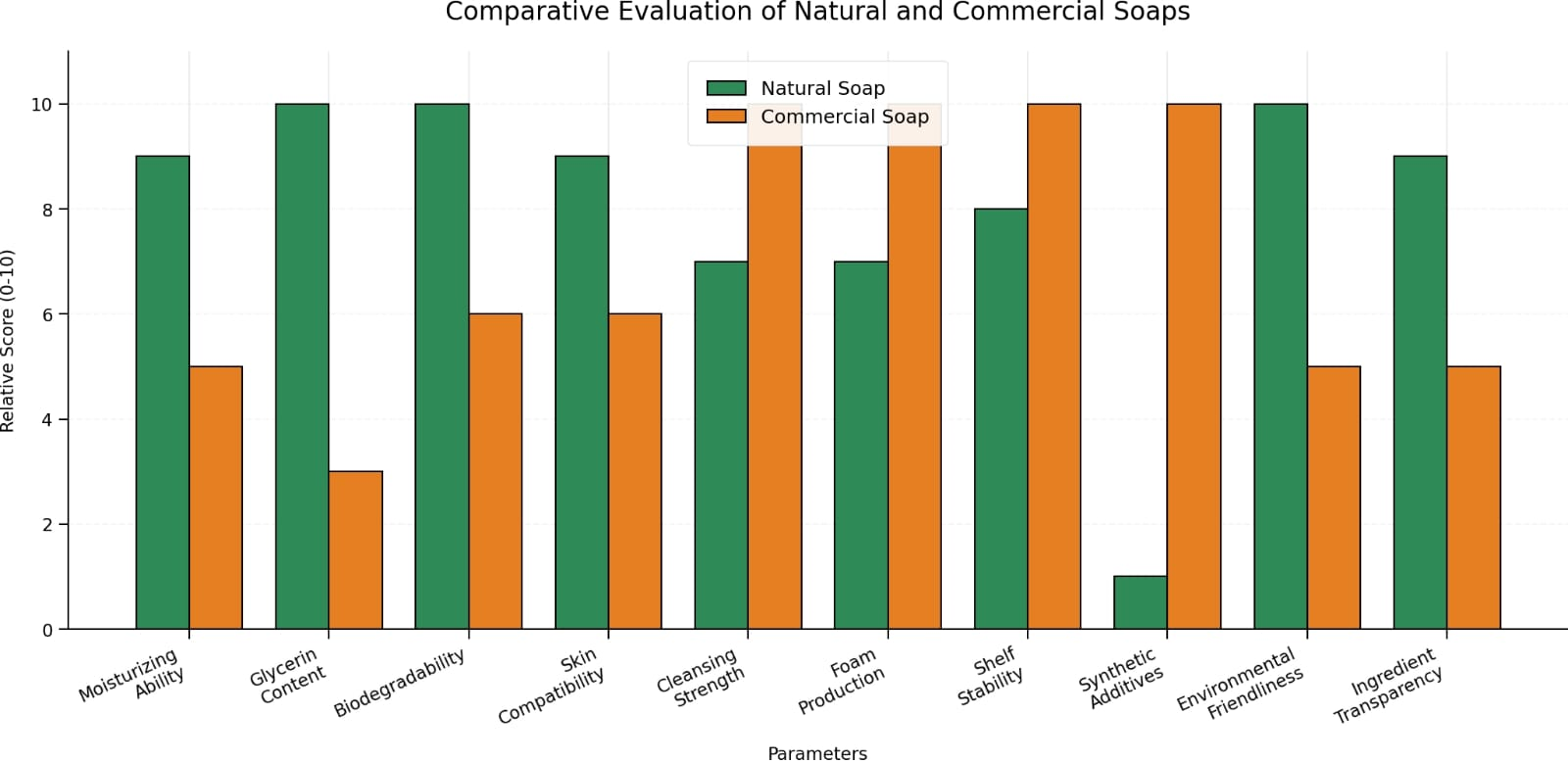
Scores are relative comparative values derived from the characteristics discussed in the literature review and are intended for visual comparison rather than direct experimental measurement.
6. Preparation Methods for Natural and Commercial Soaps
The manufacturing process plays a critical role in determining the quality, performance, appearance and stability of soap products. While natural soaps are produced primarily through the chemical process of saponification, commercial soaps and synthetic detergents are often manufactured using highly automated industrial systems. The production method influences characteristics such as glycerin content, c uring time, texture and overall product quality.
Natural soap production is based on the reaction between triglycerides and an alkali, commonly represented by the following equation:
Triglyceride + 3 NaOH → Glycerol + 3 Sodium Salts of Fatty Acids (Soap)
Depending on the manufacturing conditions, natural soaps may be produced using cold process, hot process, or melt-and-pour techniques.
6.1 Preparation Methods for Natural Soaps
6.1.1 Cold Process Soap Making
The cold process method is one of the most widely used techniques in artisanal and natural soap manufacturing. In this method, the heat generated during the saponification reaction is sufficient to drive the process without continuous external heating.
Step 1: Formula Design and Calculation
The required quantity of sodium hydroxide is calculated using the saponification values of the selected oils. A superfat margin, usually between 3% and 5%, is often included to improve the conditioning properties of the final soap.
Step 2: Preparation of Alkali Solution
Sodium hydroxide is carefully dissolved in distilled water. Since this reaction is highly exothermic, the solution is allowed to cool to approximately 38-48°C before further processing.
Step 3: Oil Preparation
Solid fats are melted and mixed with liquid oils. The oil blend is adjusted to a temperature similar to that of the alkali solution to promote efficient emulsification.
Step 4: Emulsification and Trace Formation
The alkali solution is gradually added to the oil mixture while stirring continuously. Mixing continues until the formulation reaches "trace," a stage where the mixture thickens and leaves a visible trail on the surface.
Step 5: Addition of Functional Ingredients
Essential oils, colourants, botanical powders, exfoliants and other additives are incorporated once trace is achieved. This helps ensure even distribution while minimizing degradation of sensitive ingredients.
Step 6: Moulding and Insulation The soap batter is poured into molds and insulated to maintain heat genera ted during saponification. This promotes complete reaction and uniform texture development.
Step 7: Curing After demoulding, the soap bars are cured for approximately four to six weeks. During this per iod, excess moisture evaporates, the crystalline structure stabilizes and the soap develops improved hardness and milder alkalinity.
Advantages of Cold Process Soap Making
- Retains naturally produced glycerin.
- Allows extensive formulation flexibility.
- Preserves sensitive botanical ingredients.
- Produces high-quality artisanal soaps.
Limitations
- Long curing period.
- Greater sensitivity to formulation errors.
- Requires careful handling of alkali solutions.
6.1.2 Hot Process Soap Making
The hot process method accelerates saponification by applying external heat throughout production.
Step 1: Initial Mixing
Oils and alkali solutions are prepared and combined in a manner similar to the cold process method.
Step 2: Thermal Processing
The mixture is heated, typically between 80°C and 100°C, using equipment such as slow cookers, steam kettles, or double boilers. Continuous heat speeds up the saponification reaction.
Step 3: Completion of Saponification
As cooking progresses, the soap passes through several stages, gradually transforming from a fluid emulsion into a thick gel-like mass. Eventually, the reaction reaches near completion.
Step 4: Addition of Fragrance and Super fatting oils
Heat-sensitive additives and fragrances are generally incorporated after cooking to minimize evaporation or degradation.
Step 5: Moulding and Hardening
The finished soap mass is transferred to molds and allowed to harden. Since most of the saponification has already occurred, the soap can typically be used after one to two weeks of drying.
Advantages of Hot Process Soap Making
- Faster production cycle.
- Reduced curing time.
- Greater certainty that saponification is complete.
Limitations
- Rougher appearance compared to cold-process soap.
- Additional energy requirement.
- Potential loss of volatile ingredients due to heating
6.1.3 Melt-and-Pour Soap Making
Melt-and-pour technology is a simplified method that utilizes a pre-made soap base. Since saponification has already been completed during manufacture of the base, users do not need to handle sodium hydroxide or potassium hydroxide directly.
Step 1: Selection of Soap Base
Suitable bases may include glycerin soap, shea butter soap, goat milk soap, or transparent soap formulations.
Step 2: Melting
The soap base is cut into small pieces and gently heated until completely liquefied. Excessive heating is avoided to preserve product quality.
Step 3: Incorporation of Additives
Colourants, fragrances, botanical extracts and decorative ingredients are mixed into the melted base.
Step 4: Moulding
The liquid soap is poured into molds and allowed to cool. Surface air bubbles may be removed using a light spray of isopropyl alcohol.
Step 5: Solidification
The soap hardens within a few hours and is ready for immediate use because no curing stage is required.
Advantages of Melt-and-Pour Soap Making
- Safe and beginner-friendly.
- No direct handling of alkalis.
- Immediate product availability.
- Suitable for decorative soaps and rapid production.
Limitations
- Limited control over the base formulation.
- Lower formulation flexibility compared with cold-process methods.
6.2 Manufacturing of Commercial Soaps and Synthetic Detergents
Commercial soap manufacturing is carried out on an industrial scale using automated continuous production systems designed to maximize efficiency, product consistency and output.
Continuous Saponification
Large-scale facilities often use high-pressure systems to split fats into glycerol and fatty acids. The fatty acids are then neutralized with alkali to form soap bases suitable for commercial processing.
Drying and Blending
The soap mixture is dried under controlled conditions to achieve the desired moisture content. Fragrances, pigments, preservatives and functional additives are subsequently blended into the base.
Milling and Extrusion
The soap is passed through roller mills to create a homogeneous texture and is then extruded into continuous bars. These bars are cut, stamped and packaged for distribution.
Production of Synthetic Cleansers
Synthetic detergent bars and liquid cleansers are produced by blending surfactants, thickeners, preservatives, fragrances and water in large industrial vessels under carefully controlled processing conditions. This approach ensures consistent quality and long shelf life across large production volumes.[6]
7. Packaging Process and Material Handling
Packaging and material handling are essential stages in soap manufacturing, as they directly influence product quality, shelf life, consumer safety and environmental sustainability. Proper packaging protects soaps from moisture, contamination, physical damage and oxidation during storage and transportation. This is particularly important for natural soaps, which often contain retained glycerin and unsaturated oils that make them more sensitive to environmental conditions than highly processed commercial products.
7.1 Environmental Control during Storage and Handling
The quality of soap products can be significantly affected by environmental factors such as temperature, humidity and air circulation. Consequently, manufacturers must implement appropriate storage and handling practices throughout production and distribution.
Temperature and Humidity Management
Natural soap bars continue to lose moisture during curing and early storage. Maintaining a controlled environment with moderate humidity and stable temperatures helps prevent excessive drying, cracking, or softening of the bars. Adequate ventilation also promotes uniform moisture evaporation and contributes to product stability.
Moisture Protection
Natural soaps contain glycerin, a hygroscopic compound that readily absorbs moisture from the surrounding environment. Exposure to excessive humidity may result in surface sweating, stickiness and reduced product quality. Appropriate packaging materials therefore play an important role in controlling moisture uptake and preserving the appearance of the soap.
Protection from Light and Air
Certain soap ingredients, particularly unsaturated oils and natural fragrances, are susceptible to degradation when exposed to oxygen and light. Packaging systems that limit these exposures help reduce oxidation, preserve fragrance quality and extend shelf life.
7.2 Packaging Materials Used in Soap Manufacturing
Modern soap manufacturers employ a variety of packaging materials depending on product type, market positioning and sustainability objectives.
Primary Packaging
Primary packaging is the material that comes into direct contact with the soap product. It serves as the first barrier against contamination and environmental exposure. Common materials include:
- Kraft paper sleeves
- Glassine paper wraps
- Cellulose-based biodegradable films
- Recyclable paper cartons
- Biopolymer-based packaging materials These materials provide protection while allowing limited airflow, which can be beneficial for natural soaps that continue to release small amounts of moisture after curing.
Sustainable Packaging Alternatives
Growing consumer awareness has encouraged the adoption of environmentally responsible packaging options. Sustainable alternatives may include:
- Compostable paper packaging
- Starch-based biodegradable films
- Water-soluble packaging materials
- Seaweed-derived packaging films
- Recycled cardboard containers Such materials reduce environmental impact and align with the sustainability goals of many nat ural soap manufacturers.
Secondary Packaging
Secondary packaging provides additional protection during shipping and storage. Examples include cardboard boxes, paperboard cartons and protective inserts made from recycled materials. Secondary packaging also serves marketing and labelling purposes by displaying product information and branding elements.
7.3 Material Handling Practices
Effective material handling ensures product consist ency and minimizes contamination throughout the manufacturing process.
Hygiene and Sanitation
Equipment used for cutting, shaping and packaging must be cleaned and maintained according to quality control standards. Personnel involved in production generally follow hygiene protocols, including the use of protective clothing and gloves, to reduce the risk of contamination.
Batch Identification and Traceability
Each production batch should be properly labelled and documented. Batch records typically include manufacturing dates, formulation details and production codes that allow products to be traced throughout the supply chain. Traceability supports quality assurance and facilitates corrective actions when necessary.
Storage and Transportation
Finished soap products are stored under conditions designed to maintain quality until distribution. Proper palletization, airflow management and protective transit packaging help prevent mechanical damage and preserve product integrity during transport.
7.4 Packaging Considerations for Natural and Commercial Soaps
Packaging requirements differ somewhat between natural and commercial soap products.
Natural Soaps
Natural soaps often require breathable and environmentally friendly packaging because of their higher glycerin content and reduced use of synthetic preservatives. The packaging should balance moisture protection with sufficient ventilation to prevent sweating and maintain product quality.
Commercial Soaps
Commercial soaps and syndet products generally exhibit greater resistance to environmental changes due to the presence of stabilizers and preservatives. Consequently, these products can often be packaged using a wider variety of materials while maintaining long shelf lives.
7.5 Importance of Sustainable Packaging
The personal care industry is increasingly moving toward sustainable packaging solutions as part of broader environmental initiatives. Consumers, manufacturers and regulatory agencies are placing greater emphasis on reducing plastic waste and promoting recyclable or biodegradable packaging materials. Sustainable packaging not only reduces environmental impact but also enhances brand value and consumer trust.
Packaging and material handling are vital components of soap manufacturing that influence product quality, stability, safety and market acceptance. Effective control of environmental conditions, careful material handling and appropriate packaging selection help to preserve soap integrity throughout its lifecycle. Furthermore, the increasing adoption of biodegradable and recyclable packaging materials reflects the industry's growing commitment to sustainability and responsible manufacturing practices. [8]
8. Stability Parameters of Natural Soaps
The stability of a soap product is a critical factor that determines its quality, safety, shelf life and overall consumer acceptability. Stability testing evaluates how soap maintains its physical appearance, chemical composition and functional properties during storage and use. Unlike synthetic cleansing products that often contain multiple stabilizers and preservatives, natural soaps largely depend on their formulation composition, moisture content and antioxidant protection to remain stable over time.
8.1 pH Monitoring and Alkalinity Control
Importance of pH in Soap Stability
The pH of soap is an important quality parameter because it directly influences skin compatibility and product safety. Traditional natural soaps are naturally alkaline due to the presence of fatty acid salts produced during saponification. Properly cured soaps generally exhibit a pH between 9.0 and 10.0, which is considered acceptable for standard soap products.
Freshly prepared soap may initially possess a higher pH because residual alkali has not yet been fully consumed or neutralized. During curing, gradual moisture loss and completion of remaining chemical reactions help stabilize the pH at safer levels. Regular pH testing is therefore necessary to ensure that no excess sodium hydroxide or potassium hydroxide remains in the final product.
Evaluation Methods
Common methods for assessing pH include:
- Digital pH meter analysis
- pH indicator strips
- Standard laboratory titration techniques Routine pH monitoring helps maintain product consistency and reduces the risk of skin irritation associated with excessive alkalinity.
8.2 Rancidity and Lipid Oxidation Control
Causes of Oxidation
Natural soaps frequently contain unsaturated fatty acids and super fatting oils, which are susceptible to oxidation when exposed to oxygen, light, heat, or moisture. Over time, these reactions can lead to degradation of the lipid components present in the formulation.
Indicators of Rancidity
Signs of oxidative deterioration include:
- Yellow or orange discolouration
- Development of unpleasant odours
- Changes in texture and appearance
- Reduced overall product quality Soap makers often refer to orange-coloured spots that develop on aging soap bars as dreaded orange spots (DOS), a common indicator of oxidation.
Prevention Strategies
To improve oxidative stability, manufacturers may incorporate natural antioxidants such as:
- Vitamin E (tocopherols)
- Rosemary oleoresin extract
- Green tea polyphenols
- Other plant-derived antioxidant compounds These ingredients help minimize free radical activity and extend product shelf life.
8.3 Hardness and Dissolution Stability Significance of Hardness
Soap hardness influences durability, handling characteristics and rate of consumption during use. Hard soaps generally last longer, resist deformation and maintain their shape more effectively when exposed to water.
Factors Affecting Hardness
The hardness of a soap formulation largely depends on its fatty acid composition. Soaps rich in saturated fatty acids such as lauric, palmitic and stearic acids often exhibit greater structural integrity than formulations dominated by unsaturated oils.
Evaluation Methods
Hardness stability may be accessed through:
- Weight loss measurements
- Water absorption studies
- Dissolution-rate testing
- Mechanical compression testing These evaluations help determine how effectively the soap maintains its structure during storage and consumer use.
8.4 Lather Stability and Foam Performance Importance of Foam Stability
Foam characteristics strongly influence consumer perception of product quality. Although lather volume does not always correlate directly with cleansing efficiency, many consumers associate abundant and stable foam with effective cleaning performance.
Evaluation Parameters
Lather performance is commonly assessed using:
- Foam volume
- Bubble size distribution
- Foam persistence
- Creaminess and texture Consistent foam properties throughout the product's shelf life indicate that the surfactant system remains stable during storage.
Factors Influencing Foam Stability
Several formulation variables contribute to lather quality, including:
- Fatty acid composition
- Super fatting levels
- Water hardness
- Storage temperature
- Humidity conditions Proper formulation balance helps maintain desirable lather characteristics throughout the product lifecycle.
8.5 Accelerated Stability Testing
To predict long-term product performance within a shorter timeframe, manufacturers often perform accelerated stability studies. During these tests, soap samples are stored under elevated temperature and humidity conditions to simulate long-term aging.
Typical stability studies evaluate:
- pH changes
- Colour stability
- Fragrance retention
- Oxidative resistance
- Hardness retention
- Lather performance The results help estimate product shelf life and identify formulation improvements before commercial release.
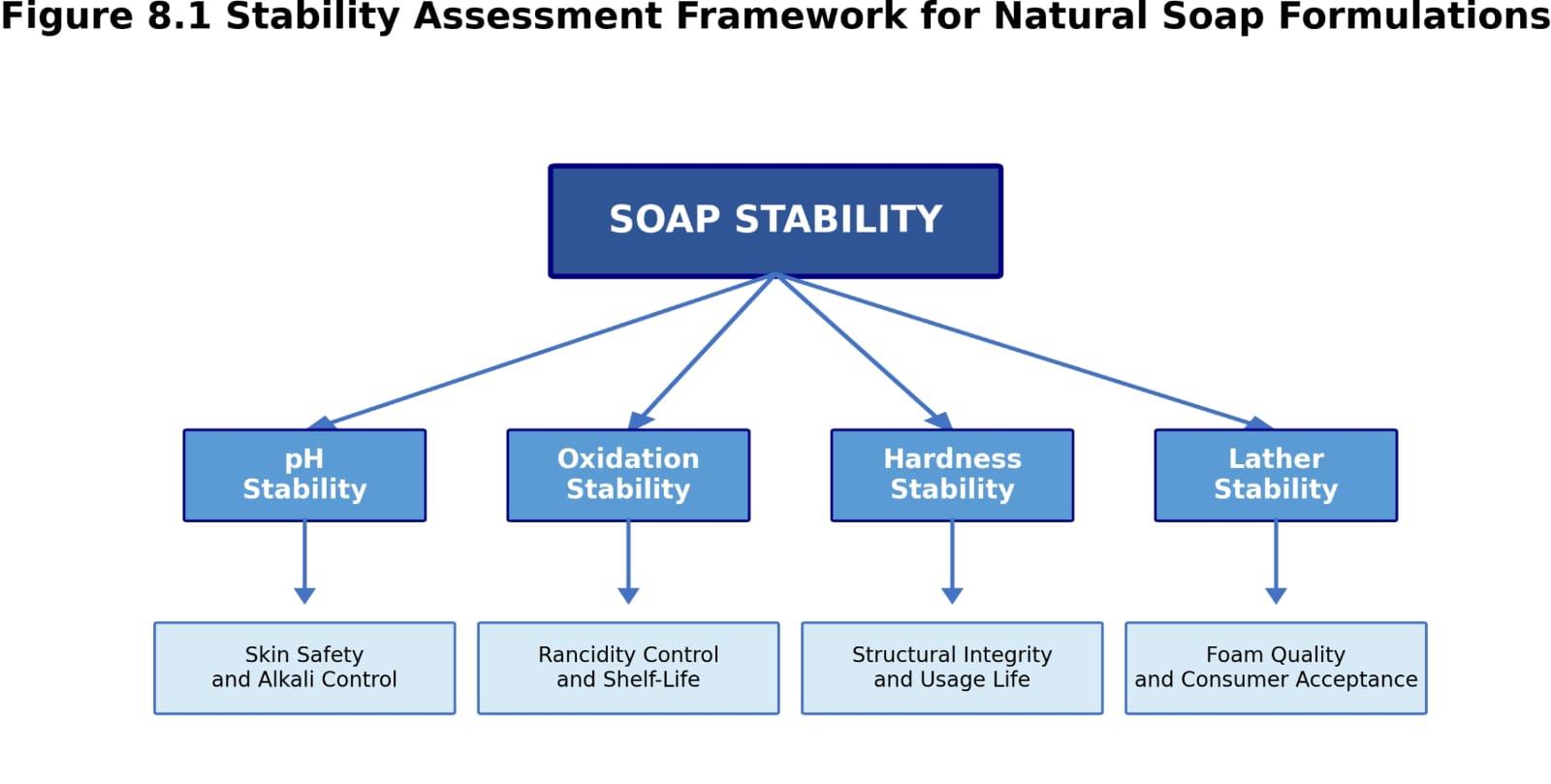
The figure illustrates the major parameters used to evaluate soap stability, including pH stability, oxidation stability, hardness stability and lather stability, along with their corresponding quality outcomes.
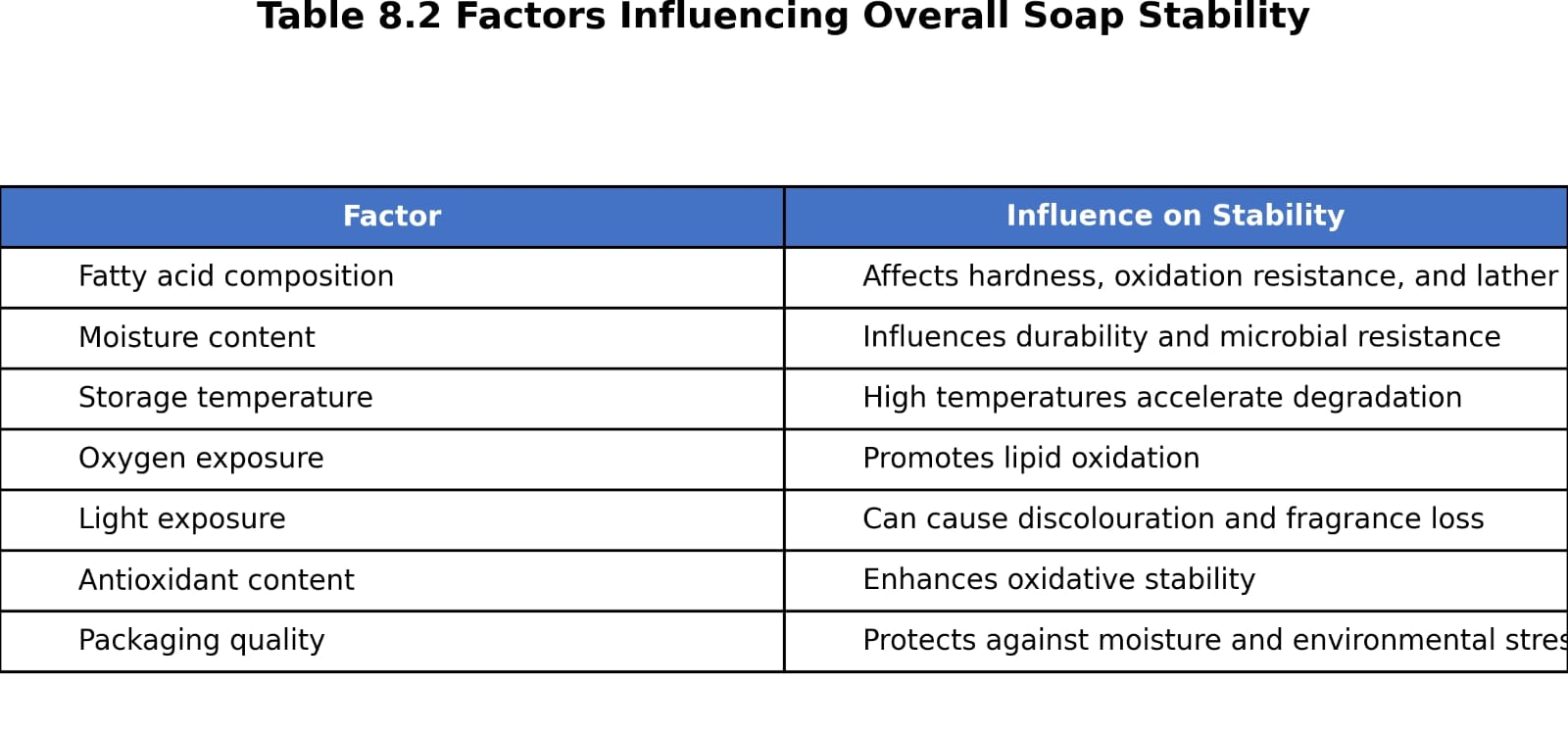
The table summariz es key formulation and environmental factors that affect the physical, chemical and functional stability of natural soap products during storage and use.
Stability testing is essential for ensuring the quality, safety and commercial viability of natural soaps. Important stability parameters include pH control, resistance to oxidation, hardness retention and maintenance of lather properties. Proper formulation design, the use of suitable antioxidants, appropriate packaging and controlled storage conditions can significantly improve product stability and extend shelf life. As consumer demand for natural personal care products continues to rise, stability evaluation remains a key aspect of developing effective and reliable soap formulations. [3]-[6],[8]
9. Recent Trends and Technological Innovations in Natural Soap Manufacturing
The natural soap industry has evolved significantly over the past decade, driven by increasing consumer interest in sustainable, environmentally friendly and skin-compatible personal care products. Advances in biotechnology, green chemistry and digital technologies have expanded the potential of natural soap formulations beyond traditional artisanal manufacturing. Modern research focuses not only on cleansing performance but also on sustainability, bioactive ingredient delivery and resource-efficient production methods.
9.1 Sustainable and Up cycled Raw Materials
One of the most important trends in contemporary soap manufacturing is the adoption of sustainable and renewable raw materials. Manufacturers increasingly seek alternatives to conventional feed stocks to minimize environmental impact and promote a circular economy.
• Up cycled Plant-Based Oils
Food-processing by-products are increasingly being utilized as valuable sources of oil for soap production. Examples include:
- Olive pomace oil
- Fruit seed oils obtained from juice processing residues
- Spent coffee oil
- Agricultural by-product oils The utilization of these materials reduces waste generation while creating value-added products from previously discarded resources.
• Alternative Lipid Sources
Researchers are exploring oils produced by microalgae and microbial fermentation as sustainable alternatives to traditional plant oils. These sources offer consistent quality and may reduce dependence on agricultural land and conventional oil crops.
9.2 Machine Learning and Computational Formulation Design
The soap industry is increasingly incorporating computational tools to improve formulation development and product optimization. Traditional trial-and-error approaches are gradually being supplemented by predictive modeling techniques.
Predictive Formulation Modeling Machine learning algorithms can analyze large datasets containing fatty acid profiles, saponification values and formulation characteristics. These systems assist formulators in predicting:
- Soap hardness
- Cleansing efficiency
- Foam quality
- Conditioning properties
- Shelf stability Such approaches can reduce development time, minimize material waste and improve formulation consistency.
Process Optimization
Computational tools can also be applied to optimize manufacturing conditions, helping manufacturers improve production efficiency while maintaining product quality.
9.3 Green Extraction Technologies
The demand for naturally derived active ingredients has encouraged the development of environmentally friendly extraction technologies that reduce solvent use and preserve bioactive compounds.
Supercritical Fluid Extraction Supercritical carbon dioxide extraction has gained attention as an efficient method for obtaining essential oils, antioxidants and plant bioactives. This technique offers several advantages:
- Reduced solvent residues
- Preservation of heat-sensitive compounds
- High extraction efficiency
- Environmentally sustainable processing The resulting extracts can be incorporated into premium natural soap formulations.
Eco-Friendly Botanical Processing Modern extraction techniques enable improved recovery of phytochemicals, po lyphenols and natural antioxidants from plant materials. These compounds may enhance the functional and cosmetic properties of soap products.
9.4 Encapsulation and Controlled Release Technologies
Soap products are increasingly being designed as multifunctional skincare systems rather than simple cleansing agents. A notable area of innovation involves encapsulation technologies that protect active ingredients during manufacturing and storage.
Microencapsulation of Bioactive Compounds
Sensitive ingredients such as vitamins, antioxidants, peptides and botanical extracts can be enclosed within protective carriers prior to incorporation into soap formulations. Benefits include:
- Improved ingredient stability
- Reduced degradation during processing
- Enhanced shelf life
- Controlled release during product use These systems facilitate the incorporation of functional ingredients into natural soaps while maintaining their biological activity.
9.5 Biofermented Soap Technologies
Among emerging innovations, biofermentation represents one of the most promising developments in natural soap production. Biofermentation employs microorganisms to generate functional ingredients and surface - active compounds with improved sustainability profiles.
Biosurfactant Production
Certain microorganisms are capable of producing natural surfactants such as:
- Sophorolipids
- Rhamnolipids
- Glycolipids These biosurfactants possess excellent surface-activity properties and are biodegradable, making them attractive alternatives to conventional synthetic surfactants.
Fermented Botanical Ingredients
Fermentation can enhance the availability of beneficial compounds present in plant extracts and oils. Microbial enzymes break down complex molecules into smaller components that may be more readily incorporated into cosmetic formulations.
9.6 Microbiome-Friendly Soap Formulations
Recent skincare research has increased awareness of the importance of the skin microbiome in maintaining skin health. Consequently, soap formulation strategies are shifting toward products that support rather than disrupt beneficial skin microorganisms.
Postbiotic-Enriched Soaps
Advanced natural soap formulations may contain:
•Postbiotic metabolites
- Fermentation-derived compounds
- Organic acids
- Skin-conditioning bioactive ingredients These materials may help support skin barrier function while maintaining effective cleansing performance.
Gentle Cleansing Systems
Modern formulations increasingly focus on achieving an effective balance between cleansing efficiency and maintenance of skin barrier integrity. This trend has driven interest in mild surfactants and carefully designed lipid systems.
Summary The natural soap industry is undergoing rapid technological transformation. Innovations in sustainable raw materials, computational formulation design, green extraction technologies, encapsulation systems and biofermentation are reshaping modern soap manufacturing. At the same time, growing emphasis on microbiome-friendly skincare is encouraging the development of gentler and more functional cleansing products. These advancements are expected to improve both the environmental sustainability and performance of future soap formulations.[9]-[11]
10. Rationale for Selecting Natural Soaps over Commercial Chemical Soaps
The growing preference for natural soaps reflects increased consumer awareness regarding skin health, environmental sustainability and ingredient transparency. Although commercial soaps and synthetic cleansing products provide effective cleaning performance, natural soaps offer several advantages that contribute to their popularity among consumers, formulators and dermatologists. These advantages are associated with their composition, manufacturing process and compatibility with both human skin and the environment.
10.1 Retention of Natural Glycerin
One of the major advantages of natural soaps is the retention of glycerin produced during saponification. Glycerin acts as a natural humectant, attracting and retaining moisture in the outer layers of the skin. As a result, natural soaps often provide a more moisturizing cleansing experience compared with many commercial cleansing products.
In contrast, industrial manufacturing processes may remove glycerin from soap bases for use in higher-value cosmetic and pharmaceutical products. Consequently, additional moisturizing agents are frequently incorporated into commercial formulations to compensate for its removal.
10.2 Improved Skin Compatibility
Natural soaps are commonly formulated with plant oils, natural butters and superfatting agents that help preserve skin hydration and barrier function. The fatty acid profiles of these ingredients contribute to mild cleansing while reducing excessive removal of natural skin lipids.
Many commercial cleansing products utilize synthetic surfactants that provide strong degreasing properties. While highly effective for cleansing, these ingredients may contribute to dryness or irritation in individuals with sensitive skin when used frequently.
Benefits for Sensitive Skin
Natural soaps may be particularly suitable for individuals with:
- Dry skin
- Sensitive skin
- Mild dermatological conditions
- Preference for minimally processed ingredients However, product suitability ultimately depends on the specific formulation and individual skin characteristics.
10.3 Ingredient Transparency and Clean-Label Formulations
Consumers increasingly prefer products containing recognizable and easily understood ingredients. Natural soaps generally utilize straightforward formulations composed of:
- Vegetable oils
- Plant butters
- Essential oils
- Botanical extracts
- Natural colourants This transparency allows consumers to make informed choices regarding the products they apply to their skin.
Commercial products, in contrast, often contain a larger number of functional additives, including surfactants, preservatives, chelating agents, fragrances and stabilisezs required to support large-scale manufacturing and extended shelf life.
10.4 Environmental Sustainability
Environmental considerations have become an increasingly important factor in product selection. Natural soaps are generally biodegradable and are commonly produced using renewable raw materials. Following disposal, they typically break down into simpler substances that have reduced long-term environmental persistence.
Sustainable Manufacturing Trends
The natural soap industry increasingly promotes:
- Renewable plant-based feed stocks
- Up cycled agricultural by-products
- Biodegradable packaging materials
- Reduced reliance on petrochemical ingredients These practices support broader sustainability objectives and align with the principles of green chemistry and circular economy systems.
10.5 Support for the Skin Microbiome
Emerging research suggests that maintaining a healthy skin microbiome contributes to overall skin health and barrier function. Natural soaps generally contain fewer aggressive cleansing agents and may therefore exert a less disruptive effect on beneficial skin microorganisms. Furthermore, modern innovations such as biofermented ingredients, postbiotics and microbiome-friendly formulations are increasingly incorporated into natural soap products to support balanced skin ecology.
10.6 Consumer Demand and Market Trends
The personal care industry has experienced substantial growth in consumer demand for products perceived as natural, sustainable and environmentally responsible. Several factors drive this trend, including:
- Increased environmental awareness
- Preference for naturally derived ingredients
- Desire for transparent product labelling
- Interest in sustainable lifestyles
- Growing attention to skin wellness
As a result, natural soap manufacturers continue to invest in innovative formulations and production technologies that meet evolving consumer expectations.
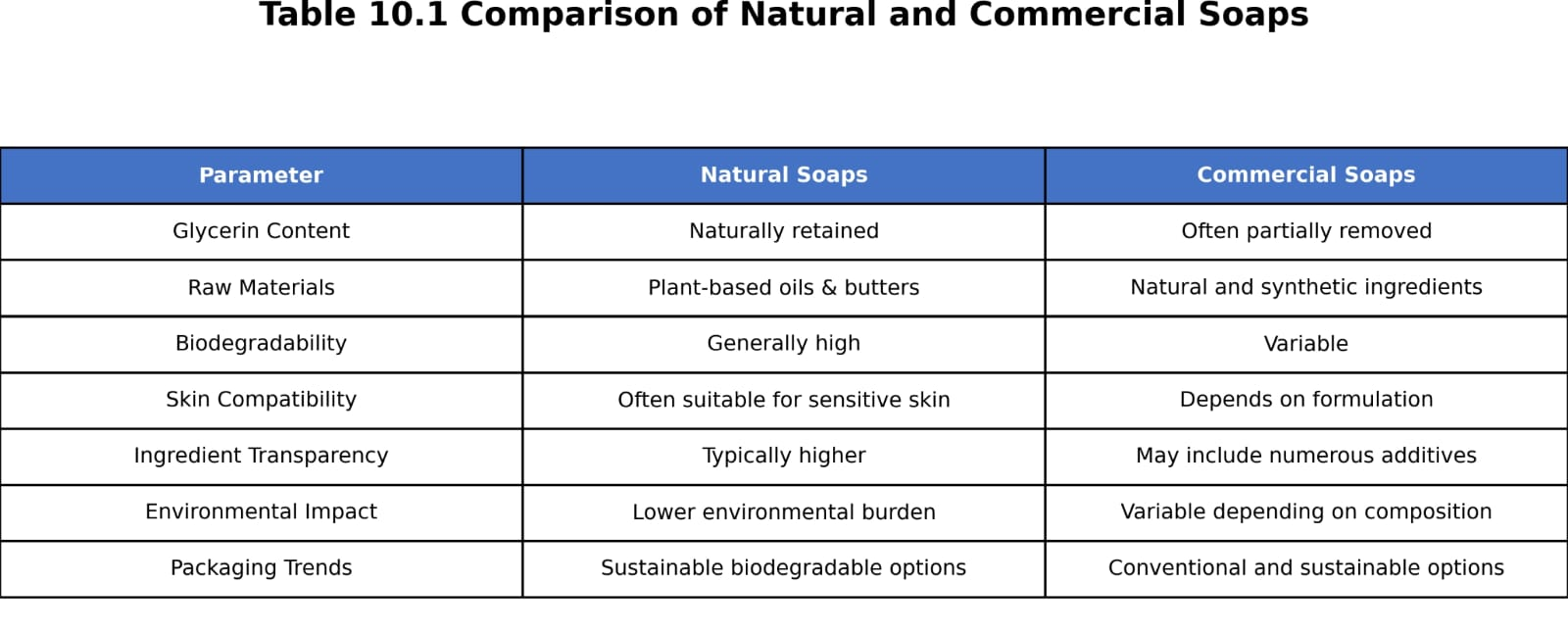
Natural soaps offer several advantages, including glycerin retention, ingredient transparency, environmental sustainability and improved compatibility with skin-friendly formulations. While commercial soaps provide benefits such as manufacturing consistency, extended shelf life and enhanced cleansing performance, growing consumer interest in sustainability and wellness continues to drive demand for natural alternatives. The selection of an appropriate cleansing product ultimately depends on individual needs, formulat ion characteristics and intended application. [1]-[6],[9]-[11]
11. Future Perspectives in Natural and Bio-Based Soap Technology
The future of natural soap production is likely to be shaped by advances in biotechnology, green chemistry, sustainable manufacturing and formulation science. Although traditional saponification will remain important, emerging technologies may enable manufacturers to develop cleansing products with improved environmental performance, greater formulation flexibility and better compatibility with individual skin needs. Several areas, including microbial surfactants, personalized skincare, advanced delivery systems and circular manufacturing, are particularly promising.
11.1 Microbial and Bio-Based Surfactants
One important di rection in sustainable cleansing technology is the development of surfactants from microorganisms and other renewable biological sources. Microorganisms can produce surface -active compounds, including sophorolipids and rhamnolipids that have attracted interest as alternatives to conventional surfactants.
Microbial Production Systems
Microbial fermentation offers an alternative route for producing surface-active compounds without relying exclusively on traditional plant oils or petrochemical feed stocks. Renewable substrates and selected waste streams may be used as fermentation feed stocks, potentially contributing to more resource-efficient production systems.
Future research may improve the yield, purity, scalability and economic feasibility of these biosurfactants. If these challenges are addressed, microbial surfactants could become increasingly relevant to soaps and other personal cleansing formulations.
Tailored Lipid Profiles
Advances in biotechnology may also make it possible to obtain microbial oils with more controlled fatty acid compositions. Such developments could help formulators design cleansing systems with specific characteristics related to foaming, conditioning, solubility and product stability.
However, widespread application will depend on factors such as manufacturing cost, regulatory acceptance, formulation compatibility and large-scale production capability.
11.2 Personalized and Precision Skincare
Personalized skincare is another emerging area that could influence the future development of natural cleansing products. Conventional soaps are generally formulated for broad consumer groups, whereas future products may increasingly account for individual differences in skin type, environment, lifestyle and barrier condition.
Microbiome-Informed Formulations
Growing scientific interest in the skin microbiome may eventually support the development of cleansing products designed to minimize unnecessary disruption of the skin's microbial ecosystem. Future formulations could potentially combine mild cleansing systems with selected prebiotic, postbiotic, or fermentation-derived ingredients. Nevertheless, microbiome-based personalization remains an evolving research area. Further clinical studies will be required to establish which formulations provide meaningful and reproducible benefits.
Digital Formulation Tools Computational modeling and machine-learning approaches may also assist in developing personalized formulations. These methods could potentially integrate formulation variables such as fatty acid composition, superfat level, environmental conditions and desired product characteristics to guide formulation design. Rather than replacing experimental testing; such technologies are more likely to complement laboratory development by narrowing the number of formulations that need to be evaluated experimentally.
11.3 Advanced Delivery of Functional Ingredients
Another possible direction is the development of cleansing products capable of carrying sensitive or functional ingredients. Conventional soap manufacturing conditions can expose ingredients to high alkalinity, heat, oxidation and prolonged storage, which may reduce the stability of certain compounds.
Encapsulation Technologies Encapsulation systems may help protect selected i ngredients during manufacturing and storage. Potential applications include the protection of:
- Antioxidants
- Botanical extracts
- Vitamins
- Fragrance compounds
- Peptides and other sensitive bioactive ingredients
Encapsulation could improve stability and allow controlled release during product use. However, its suitability for true soap systems requires careful evaluation because of their alkaline environment and rinse-off nature.
Botanical Active Ingredients
Future natural soaps may increasingly incorporate plant-derived compounds obtained through green extraction processes. Supercritical CO₂ extraction and related technologies could provide concentrated botanical ingredients while reducing dependence on conventional organic solvents.
The practical effectiveness of these ingredients in rinse-off products will still need to be demonstrated through appropriate stability, safety and performance studies.
11.4 Circular Economy and Zero-Waste Manufacturing
Sustainability is expected to remain a major research and development priority within soap manufacturing. Future production systems may increasingly focus on minimizing waste across the entire product lifecycle rather than simply replacing synthetic ingredients with natural alternatives.
Up cycling of Industrial By-products
Agricultural and food-processing residues may provide useful sources of oils, botanical extracts, fermentation substrates and other formulation ingredients. Examples discussed in emerging natural-soap research include fruit-processing residues, olive-derived by-products and spent coffee materials. Converting these materials into useful ingredients could reduce waste while creating additional value from existing industrial streams.
Sustainable Packaging
Packaging is another important area for future development. Research into cellulose, starch, seaweed-derived materials, recycled paper and other biodegradable systems may reduce dependence on conventional single-use plastics. The environmental benefit of each alternative, however, should ideally be evaluated across its complete lifecycle, including raw-material sourcing, manufacturing, transportation, use and disposal.
11.5 Green and Energy-Efficient Manufacturing
Future soap production is also likely to place greater emphasis on reducing energy, water and raw-material consumption. Possible areas of development include optimization of processing temperatures, improved recovery of produ ction by -products, water reuse, renewable-energy integration and more efficient manufacturing equipment. Such approaches could allow producers to improve sustainability without compromising product quality or manufacturing consistency.
11.6 Safety and Regulatory Considerations
Technological innovation must be accompanied by appropriate safety assessment and regulatory evaluation. The description of an ingredient as "natural" or "bio -based" does not automatically establish its safety or suitability for every consumer. Emerging ingredients such as biosurfactants, fermentation products, botanical concentrates and advanced delivery systems therefore require appropriate evaluation for:
- Skin irritation and sensitization
- Product stability
- Microbiological quality
- Ingredient compatibility
- Environmental impact
- Regulatory compliance This evidence-based approach will be essential if emerging technologies are to progress from experimental research to reliable commercial products.
11.7 Research Challenges and Future Priorities
Despite considerable progress, several scientific and practical challenges remain. Future research should focus on establishing reliable relationships between formulation composition and dermatological performance, improving the scalability of bio-based surfactants and developing standardized methods for evaluating natural soaps. Long-term investigations comparing natural soap, conventional soap and syndet formulations would also provide a stronger evidence base for claims relating to skin compatibility and environmental performance. Furthermore, greater attention should be given to life -cycle assessment. A product should not be considered environmentally preferable solely because its ingredients originate from natural sources. Agricultural land use, water consumption, processing energy, transportation, packaging and end-of-life behavior all contribute to its overall environmental footprint.
Future Outlook
The future of natural and bio-based soap technology is likely to involve a combination of traditional chemistry and modern scientific innovation. Saponification remains a well -established and effective manufacturing principle, but developments in biotechnology, computational formulation, green extraction, sustainable sourcing and circular manufacturing may broaden the capabilities of future cleansing products. Rather than simply replacing conventional ingredients with naturally sourced alternatives, future research should concentrate on measurable improvements in safety, performance, sustainability and skin compatibility. This evidence-based approach will be important for ensuring that innovations in natural soap technology provide meaningful benefits to both consumers and the environment.[9]-[11]
Conclusion
Natural soap remains an important cleansing system in which established principles of lipid chemistry and saponification are increasingly being combined with advances in formulation science, biotechnology and sustainable manufacturing. As discussed throughout this review, the characteristics of a finished soap depend strongly on the selection and proportion of fats and oils, their fatty acid composition, the type of alkali used, processing conditions, additives, curing, packaging and storage. The fatty acid profile is particularly important in determining the hardness, cleansing behavior, lather characteristics and conditioning properties of soap. Saturated fatty acids such as lauric, palmitic and stearic acids generally contribute to hardness and lather performance, whereas fatty acids such as oleic and ricinoleic acids can influence conditioning and foam characteristics. Therefore, effective formulation requires a careful balance of different lipid sources rather than simply maximizing a single desirable property. Another important characteristic of traditionally manufactured soap is the glycerin generated during saponification. When retained in the final formulation, glycerin contributes humectant properties. However, the dermatological performance of a cleansing product cannot be determined by glycerin content or whether its ingredients are described as "natural" alone. Factors such as alkalinity, surfactant composition, individual skin condition, frequency of use and the overall formulation must also be considered.
The comparison between natural soaps and commercial cleansing products also requires a balanced interpretation. Natural soaps can provide advantages associated with renewable lipid sources, relatively simple formulations, glycerin retention and opportunities for biodegradable or lower-waste production. Commercial soaps and synthetic detergent systems, meanwhile, can o ffer advantages such as formulation consistency, controlled performance and the ability to design cleansing products with different physicochemical characteristics. Consequently, one category should not automatically be regarded as superior in every application. Product performance should instead be evaluated according to composition, safety, intended use and supporting evidence.
Sustainability is becoming an increasingly important consideration in soap development. The use of up cycled oils, agricultural by-products, alternative lipid sources, biodegradable packaging and resource-efficient manufacturing provides opportunities to reduce environmental impact. Nevertheless, environmental claims should consider the complete product lifecycle, including ra w-material sourcing, processing, packaging, transportation, use and disposal. Emerging technologies may further expand the possibilities of natural and bio- based cleansing formulations. Biosurfactants, fermentation-derived ingredients, green extraction techniques, encapsulation systems and computational formulation approaches are promising areas of research. Their successful adoption, however, will depend on demonstrated safety, effectiveness, stability, scalability, regulatory compliance and economic feasibility. Overall, the future of natural soap technology is likely to involve a combination of traditional saponification principles and evidence-based scientific innovation. Future research should focus not only on developing new ingredients and technologie s but also on establishing standardized methods for assessing dermatological compatibility, environmental impact, stability and performance. Such an approach can support the development of cleansing products that are effective, safe, scientifically justified and environmentally responsible.[1]-[11]
References
- S. M. Cavitch, The Soapmaker’s Companion: A Comprehensive Guide with Recipes, Techniques & Know-How. Storey Publishing, 1997.
- S. M. Cavitch, The Natural Soap Book: Making Herbal and Vegetable-Based Soaps. Storey Publishing, 1995.
- A. O. Barel, M. PayeandH. I. Maibach, Eds., Handbook of Cosmetic Science and Technology, 4th ed. Boca Raton, FL, USA: CRC Press, 2014.
- M. Lodén, “The skin barrier and use of cleansing agents,” Dermatol. Clin., vol. 31, no. 4, pp. 563–571, 2013, doi: 10.1016/j.det.2013.06.007.
- K. H. Dunn, Scientific Soapmaking: The Chemistry of the Cold Process. Clavia Press, 2010.
- N. Prieto Vidal et al., “The effects of cold saponification on the unsaponified fatty acid composition and sensory perception of commercial natural herbal soaps,” Molecules, vol. 23, no. 9, Art. no. 2356, 2018, doi: 10.3390/molecules23092356.
- J. Knaut and H. J. Richtler, “Trends in industrial uses of fats and oils as raw materials for the oleochemical industry,” J. Amer. Oil Chem. Soc., vol. 62, no. 2, pp. 317–329, 1985, doi: 10.1007/BF02541398.
- G. L. Robertson, Food Packaging: Principles and Practice, 3rd ed. Boca Raton, FL, USA: CRC Press, 2012.
- I. N. A. Van Bogaert, K. Saerens, C. De Muynck, D. Develter, W. SoetaertandE. J. Vandamme, “Microbial sophorolipids: Production of diverse and ecologically friendly surfactants,” Appl. Microbiol. Biotechnol., vol. 76, no. 1, pp. 23–34, 2007, doi: 10.1007/s00253-007-0988-7.
- K. K. Sekhon Randhawa and P. K. S. M. Rahman, “Rhamnolipid biosurfactants: Past, presentandfuture scenario of global market,” Front. Microbiol., vol. 5, Art. no. 454, 2014, doi: 10.3389/fmicb.2014.00454.
- W. Begum, B. SahaandU. Mandal, “A comprehensive review on production of bio-surfactants by bio-degradation of waste carbohydrate feedstocks: An approach towards sustainable development,” RSC Adv., vol. 13, no. 36, pp. 25599–25615, 2023, doi: 10.1039/D3RA05051C.
© 2026 The Author(s). Open access under the Creative Commons Attribution 4.0 International License (CC BY 4.0). This HTML text was made from the published PDF so it can be read on any device; the PDF is the version of record. A figure or table that could not be reproduced exactly here links to its page in the PDF.